

NEWS
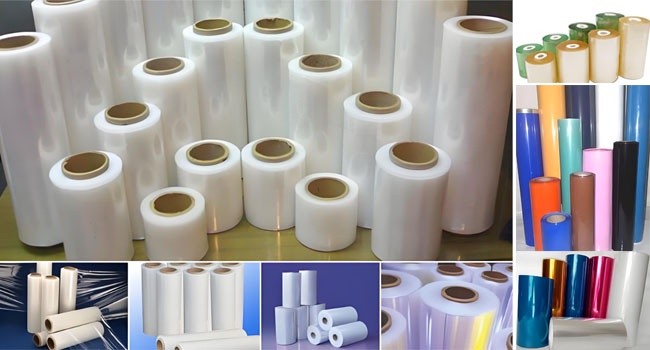
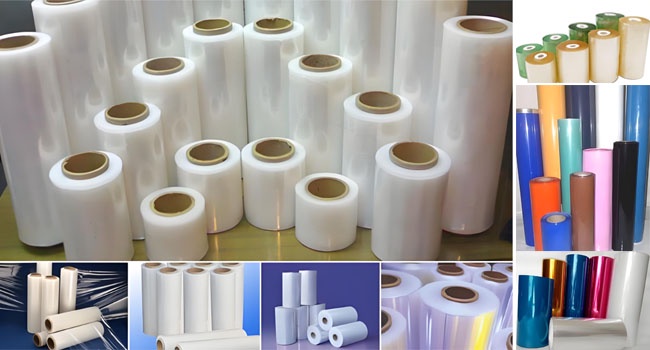
Stretch film, as a core consumable in the logistics packaging sector, serves industrial production, warehousing, and transportation scenarios through its functions of securing bundles and providing dust and moisture protection. Performance variations primarily stem from material composition. Current mainstream materials include polyethylene (PE), polyvinyl chloride (PVC), polypropylene (PP), and biodegradable materials. Each material offers distinct advantages in mechanical properties, environmental sustainability, and application scenarios, as detailed below.
PE stretch film is the dominant category in the current market, accounting for over 80% of sales. Made primarily from polyethylene, it can be subdivided into three types based on density differences. Linear low-density polyethylene (LLDPE) stretch film is the most widely used, manufactured through a three-layer co-extrusion process. It achieves an elongation rate exceeding 300% and boasts puncture resistance 3-5 times greater than standard PE film, enabling tight wrapping around heavy and irregularly shaped goods to effectively reduce shipping damage rates. Low-density polyethylene (LDPE) stretch film offers superior flexibility and transparency, making it suitable for lightweight goods packaging, though it has weaker tensile strength. High-density polyethylene (HDPE) stretch film stands out for its hardness and high abrasion resistance, often used in scenarios requiring strong protective strength. However, its poor extensibility limits its application on irregularly shaped goods.
PVC stretch film was once a common choice for lightweight packaging. With its high transparency, strong self-adhesion, and low cost, it was widely used for wire and cable packaging as well as retail goods packaging. Its high light transmittance clearly displays product appearance, while its moderate tackiness ensures tight adhesion. Available in both manual and machine-grade specifications, it accommodates different operational needs. However, this material has significant environmental drawbacks. Its production and use may release harmful gases, and recycling poses considerable challenges. Constrained by environmental policies, its market share has steadily declined over the years, with only limited applications remaining in low-end packaging scenarios.
PP stretch film, made from polypropylene, features high heat resistance and exceptional transparency. With an elongation rate between 100% and 200%, it offers superior toughness compared to PVC and resists yellowing over time. This makes it ideal for lightweight goods like electronics and cosmetics where packaging aesthetics are paramount. Its strong weather resistance allows for short-term outdoor storage, though it becomes brittle in low temperatures, limiting its use in cold regions. Additionally, the production process of PP material has a lower environmental impact and is recyclable. It is gradually replacing PVC in scenarios where environmental requirements are increasing.
Biodegradable stretch wrap is an emerging product category driven by the dual carbon goals, primarily made from materials such as PLA, starch-based, or bio-based PE. It can decompose over 70% within six months in natural environments, effectively addressing pollution issues caused by traditional plastic films. While maintaining fundamental protective properties, some variants achieve up to 200% elongation, making them suitable for environmentally sensitive sectors like food and agricultural products. However, current production capacity accounts for less than 5% of the market, hindered by high costs and poor high-temperature stability. Consequently, it is primarily used in high-end scenarios with stringent environmental requirements. With ongoing technological advancements, broader adoption is anticipated.
In summary, the selection of stretch film material requires a comprehensive assessment of cargo weight, transportation conditions, and environmental requirements. LLDPE material suits most industrial packaging scenarios, while PVC and PP are suitable for lightweight goods. Biodegradable materials focus on the environmental sector. Looking ahead, as environmental technologies advance, ultra-thin high-strength, functionalized, and biodegradable stretch films will become the industry mainstream, further optimizing the balance between packaging efficiency and environmental benefits.